
Score analysis
Table of contents
B
-
Beethoven - Symphony n.2 Mov.1
Beethoven - Symphony n.4 mov.1
Beethoven - Symphony n.7 mov.1
Beethoven - Leonore Overture n.3
-
Berlioz - Symphonie Fantastique: 1st movement
-
Brahms: a conductor’s approach to Symphony n.1 ~ The introduction
Brahms: a conductor’s approach to Symphony n.1 ~ The first movement
D
M
Mahler - Symphony n.2 – Movement 1
Mahler – Das Lied von der Erde – Part 1
Mahler – Das Lied von der Erde – Part 2
Mahler – Das Lied von der Erde – Part 3
-
Mendelssohn – Italian Symphony – Part 1
Mendelssohn – Italian Symphony – Part 2
-
Mozart - Symphony K504 “Prague” – 1st mov.
Mozart - Symphony n.40 K550 – 1st movement
Mozart - Symphony n.40 K550 – Movements 2-3
Mozart – Don Giovanni Ouverture
Mozart – Die Zauberflöte Overture
-
R
S
T

Grieg – Two Elegiac Melodies
During the course of his life, Grieg had several unproductive periods due to a chronic illness.
The year 1880 marked the end of one of such periods, and the inspiration came from poet Aasmund Olafsson Vinje, a proud romantic Norwegian nationalist.
Grieg, whose sentiments perfectly aligned with Vinje’s, chose 12 poems to set to music as a song cycle. From those 12, Grieg transcribed two of them for string orchestra: Hjertesår (The Wounded Heart), and Våren (The Last Spring).
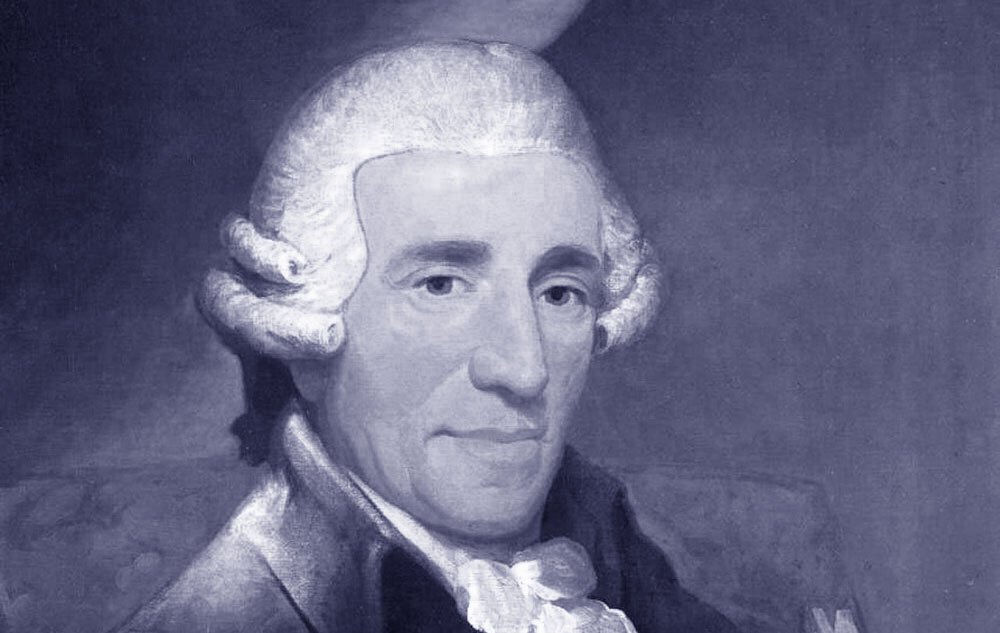
Haydn – Symphony n.44
Haydn’s symphony 44 is known as Trauer (Mourning). An apocryphal story relates that Haydn asked for the slow movement of this symphony to be played at his funeral.

Mieczysław Karłowicz – Serenade for strings
The Serenade for strings of Mieczysław Karłowicz has gained its spot in the repertoire. Winking at Tchaikovsky and Dvořák, this serenade, with its beautiful melodies, is fun to play and to listen to.
![Gabriel Fauré – Pelléas et Mélisande Prelude [ANALYSIS]](https://violet-armadillo-790149.hostingersite.com/wp-content/uploads/2021/05/Gabriel_Faure_prelude_Pelleas_et_melisande.jpg)
Gabriel Fauré – Pelléas et Mélisande Prelude [ANALYSIS]
The Prelude to Fauré ‘s Pelléas et Mélisande is imbued with the gentleness and drama of the characters . Rich in orchestration, it’s a gorgeous page where the main challenge for a conductor lies in the subtleties of the constant push-and-pull

Béla Bartók – Romanian Folk Dances
Embued in the richness of the folk tunes of Hungary, Bartók’s Rumanian Folk Dances are an orchestral miniature firmly set in the repertoire, often appearing in conducting auditions and competitions.
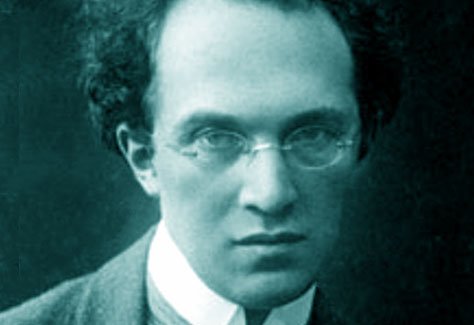
Schreker – Der Schatzgräber Interlude
The luscious interlude from Schreker’s Der Schatzgräber is a gripping symphonic page rich in tempo changes and harmonic shifts
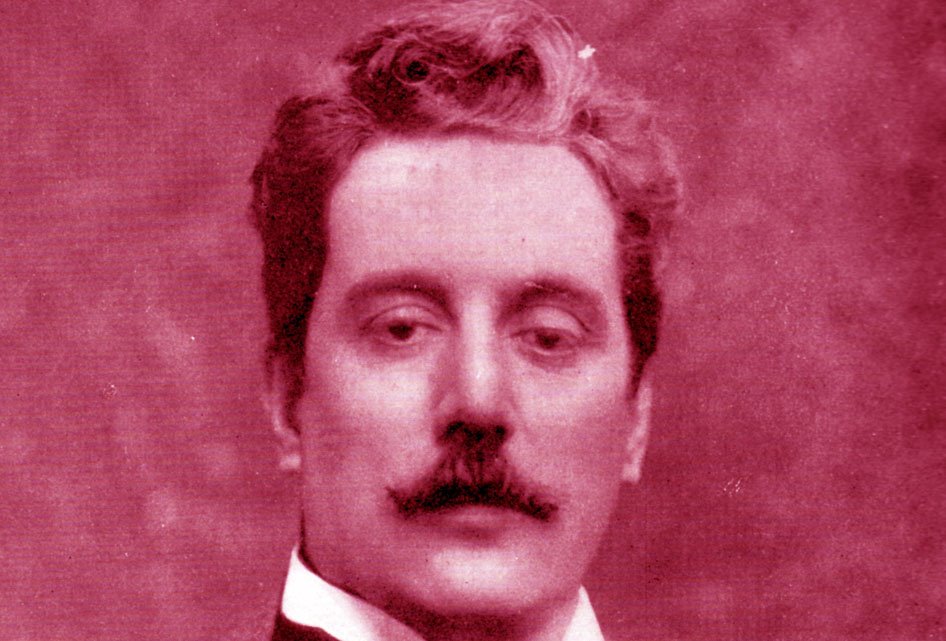
Puccini – Manon Lescaut Intermezzo
The Intermezzo from Manon Lescaut is one of the most powerful symphonic pages in the repertoire. Conducting-wise the trickiest aspect is the art of rubato.

Beethoven – Egmont Ouverture
Beethoven’s Egmont Overture remains one of his most popular works. Taking after the Dutch hero depicted in Goethe’s play, Beethoven gives us another musical portray of his political views
Conducting Pills
A FREE video series with an analysis of structure, phrasing, and, of course, conducting tips of repertoire works: from Mozart to Brahms, from Beethoven to Debussy. A new episode every week!